
Consolidation Workshop
In the consolidation workshop, results turn into insights. Often the intensive work with the research findings stimulates the team to come up with first ideas along the way.
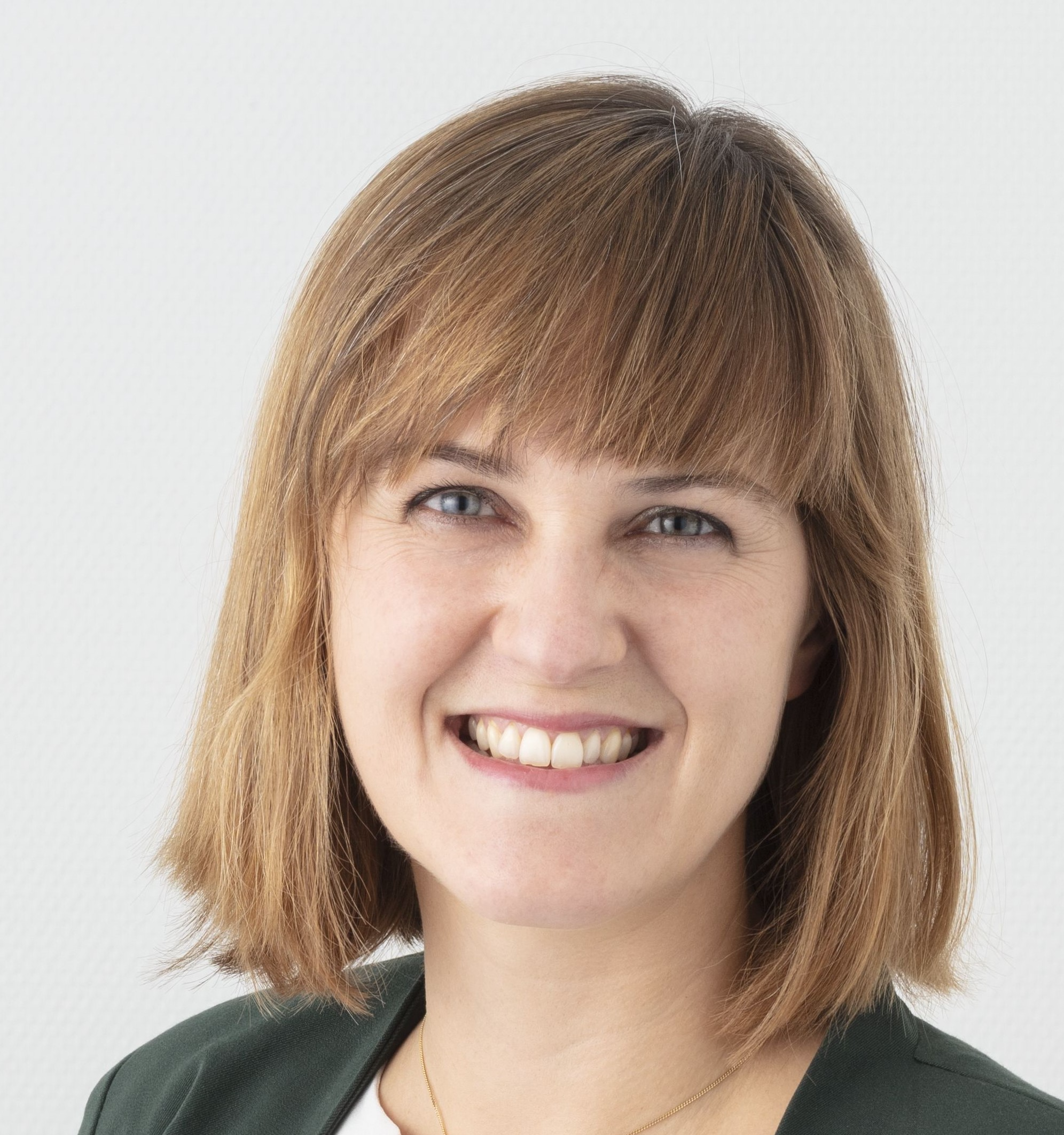
Gabriele Bacher
Team Coach
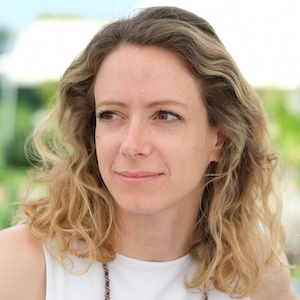
Sabine Schoen
Team Coach
Content
1. Purpose
In the consolidation workshop, you bring all the findings together — from interviews, observations, DIY activities, desk research and internal data alike. Like a jigsaw puzzle, you piece the individual parts together until the team sees a clear picture.
When the exploration is broad in scope, the insights from the individual research areas add up to a deep understanding of the playground. How you consolidate them depends on the focus. If that focus was customer research, you develop and describe a target group segmentation in the Target Groups matrix and identify the different needs behind it (see Exploring Customers for more details). For market and competition, go through the articles Exploring Competitors and Exploring Markets to learn more on how to consolidate research findings in that area. For technology, data or partnerships, a short report per research question is usually the right format — with the implications for the business lines spelled out.
Whatever the focus, the Insights Matrix helps you work across the research areas: collect the findings, then pull out the golden nuggets that really matter for the playground.
By the end of the day, the team has a recommendation for the Project Sponsor on what should happen after the exploration.
2. Duration
1 full day, plus preparation and documentation
3. Participants
4. Preparation
As a Team Member
This is the day your research has been building towards. Come with everything in a state the others can work with:
Tasks
Document every research activity in full, and pull out the quotes, figures and findings that are especially sharp and meaningful.
Store everything in the agreed location so that everyone on the team can get to it.
Know your findings well enough to walk through them clearly and briefly.
Make sure every figure you present carries its source and reference year.
Check that all tasks assigned to you are completed and documented.
Prepare a (digital) poster / slide / structured documentation of your interviews to present your findings.
As a Team Coach
Before the workshop, get an overview of the insights the team has gathered. Be clear about what the structure of the exploration outcome should look like — the structure, not the content. Based on that structure, prepare the team exercises that will produce it: which boards, templates and working steps the team needs in order to fill it. Ask every Team Member to prepare a (digital) poster / slide / structured documentation of their interviews to present their findings during the workshop. Where the exploration covered several research areas, decide in which order you will work through them, so the day doesn't fall apart into unrelated blocks.
Think through possible next steps after the exploration as well, so that you can discuss them with the team rather than improvise them on the day.
5. Tools & Materials
1x "moderation wall" with purpose and agenda
1x (Digital) poster / slide / structured documentation of interviews per Team Member
If customer research is your focus: 1x Target Groups template — the one you worked with in the Kick-off Workshop and the Review Workshop — plus printed and cut-out pictures of the interviewees, roughly 5 cm in size, and company logos for B2B
If market and competition are your focus: 1x Competitive Landscape template, plus printed competitor logos, screenshots or product photos
1x "You are now leaving your comfort zone" carpet
2x pin boards and moderation kit
1x flip chart with paper
Common digital workspace, e.g. Miro Templates "Exploration"
Optional: Business Design Guiding Principles as magnetic shapes or stickers
Optional: 1x Anti-Bullsh*t Spray
Optional: customer's glasses
6. Q & A
What if there are still open tasks? As a coach, address this before the consolidation workshop. Talk to the Team Member in charge about what is getting in their way. If you expect their findings to be crucial for the consolidation and the recommendation, work out a solution — another team member stepping in, for instance.
What if the research areas produce contradicting results? Don't smooth it over. When customers describe a need that the market data doesn't reflect, or a competitor looks strong on paper and weak in the reviews, that gap is often where the interesting part of the playground sits. Note it as an open question in the recommendation, and say what it would take to settle it.
What if the team can't agree on a recommendation? Uncover the underlying motives. Is the team uncomfortable with breaking away from established ways of thinking? Are the interests of other departments at stake? Then arrange a meeting with the Project Sponsor as soon as possible.
7. Room & Infrastructure
1x empty wall, more than 420 x 200 cm
1x empty wall, more than 220 x 90 cm
Chairs or cube seats
1x short-throw projector for the project workspace
1x table for catering
Hot and cold drinks, snacks or finger food
8. Example Agenda
Keep in mind
Sometimes the consolidation workshop has to take place in a virtual environment, which changes the agenda. Check out our Miro Templates "Exploration" to facilitate it online.
Time | Activities | Format* | Stakeholders |
09:00 - 09:30 | Check-in and status of the second iteration | B | All |
09:30 - 10:30 | Present the research findings (10 min. each, plus 5 min. discussion) | P | All |
10:30 - 10:45 | Coffee break | B | All |
10:45 - 12:00 | Consolidate the insights Depending on the focus: e.g. work on the Target Groups matrix or insights matrix | T | All |
12:00 - 13:00 | Lunch break | B | All |
13:00 - 13:30 | Optional: Generate first ideas | T | All |
13:30 - 14:30 | Align on implications and a recommendation for the next steps | D | All |
14:30 - 14:45 | Coffee break | B | All |
14:45 - 15:30 | Plan the final presentation to the sponsor | T | All |
15:30 - 16:00 | Task management | D | |
16:00 - 16:30 | Wrap-up and farewell | D |
* P = Presentation | D = Discussion | B = Break | T = Teamwork